




 NURTURING EXCELLENCE, INSPIRING FUTURES
Leading CBSE Residential & Day School in Sikar
At Matrix High School, we provide the perfect blend of academic excellence, character building and holistic development to shape confident and compassionate leaders.

4,500+
Students

35+
Sports & Other Activities

20+
Labs & Learning Spaces

200+
Educators
.png)
Academic Excellence
Strong foundation, Bright future

Innovation & Technology
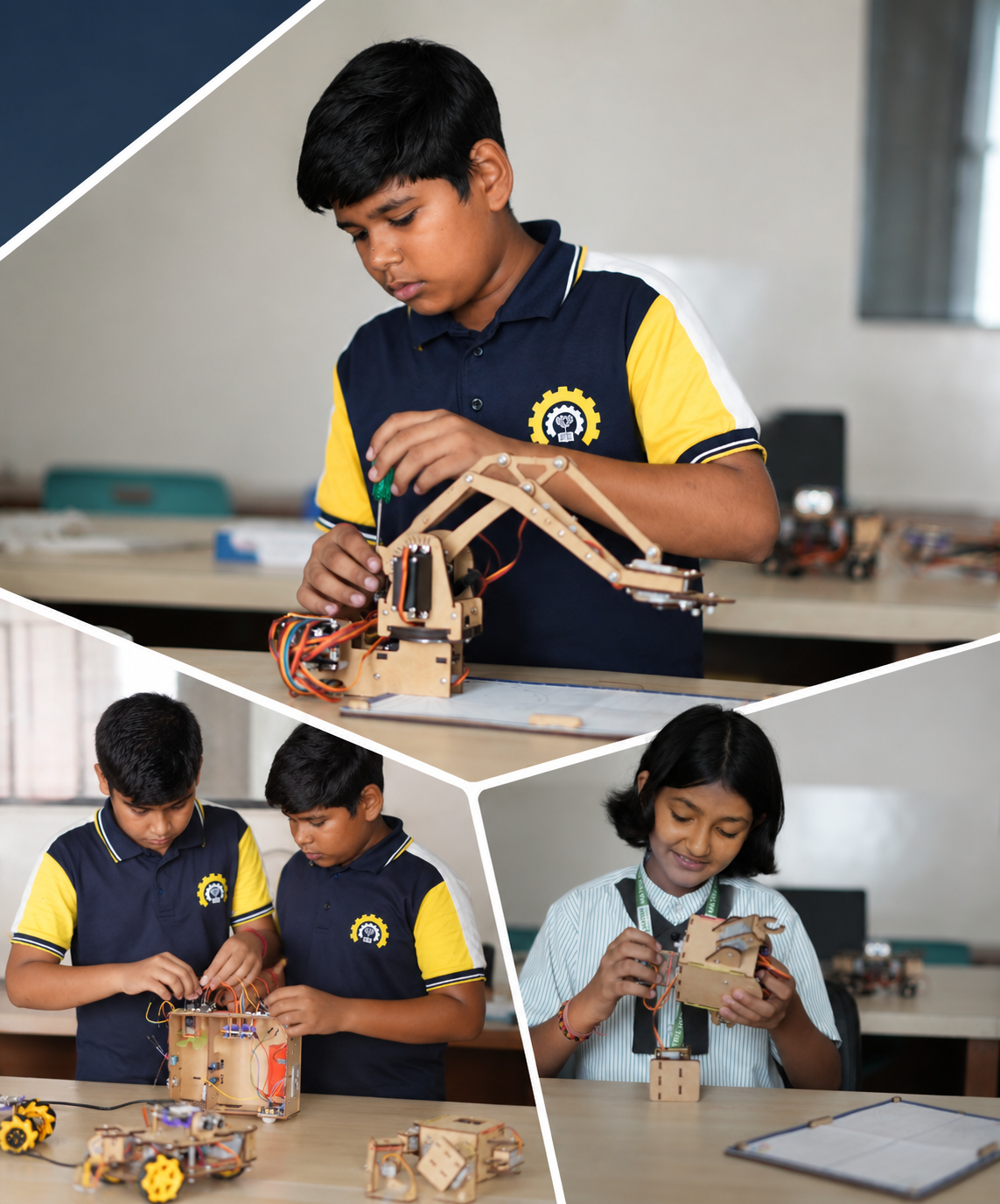
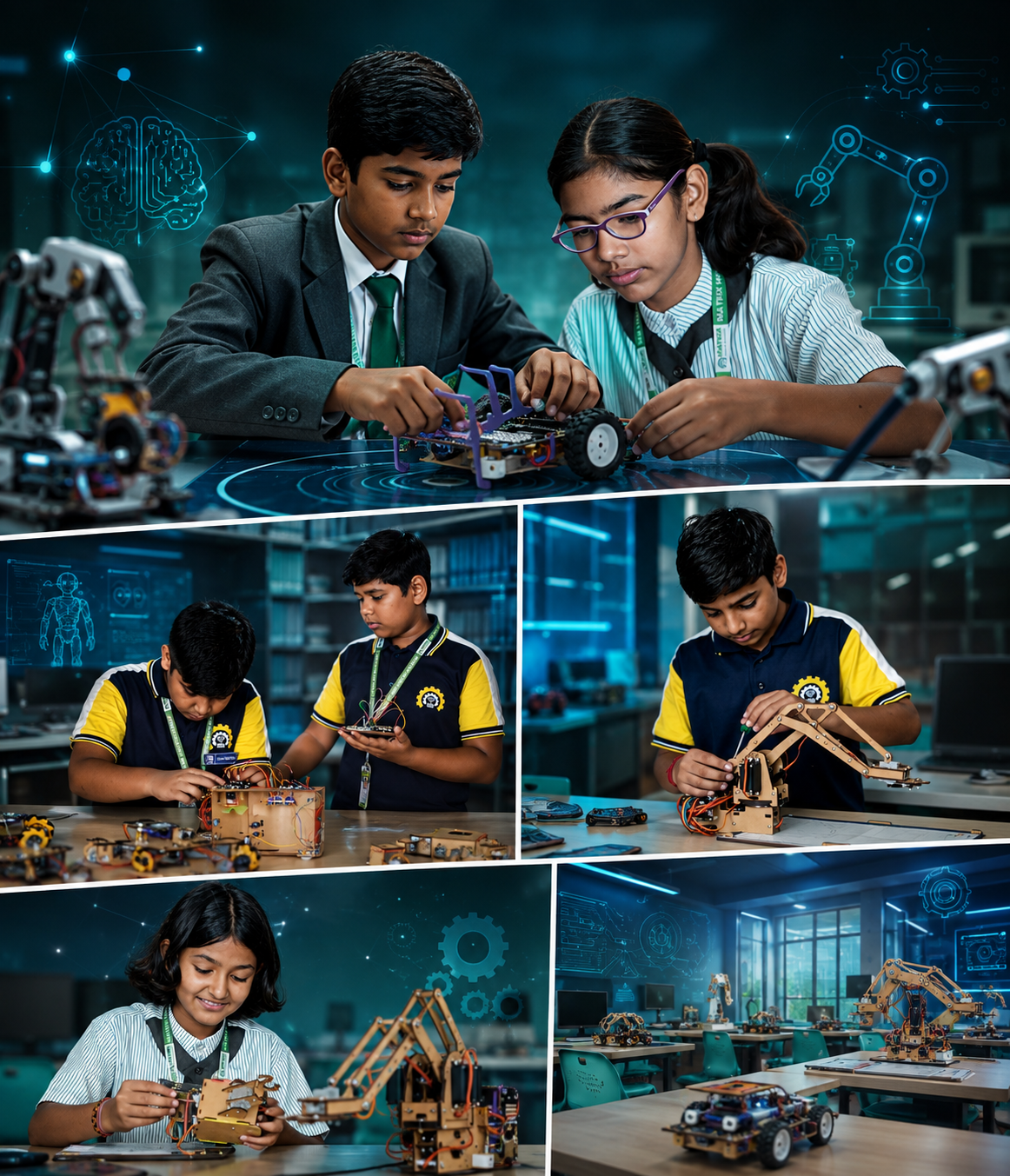
Al & Robotics Labs
.png)
Holistic Development
Mind, body and soul
.png)
Values & Leadership
Creating leaders




Why Choose MATRIX HIGH SCHOOL
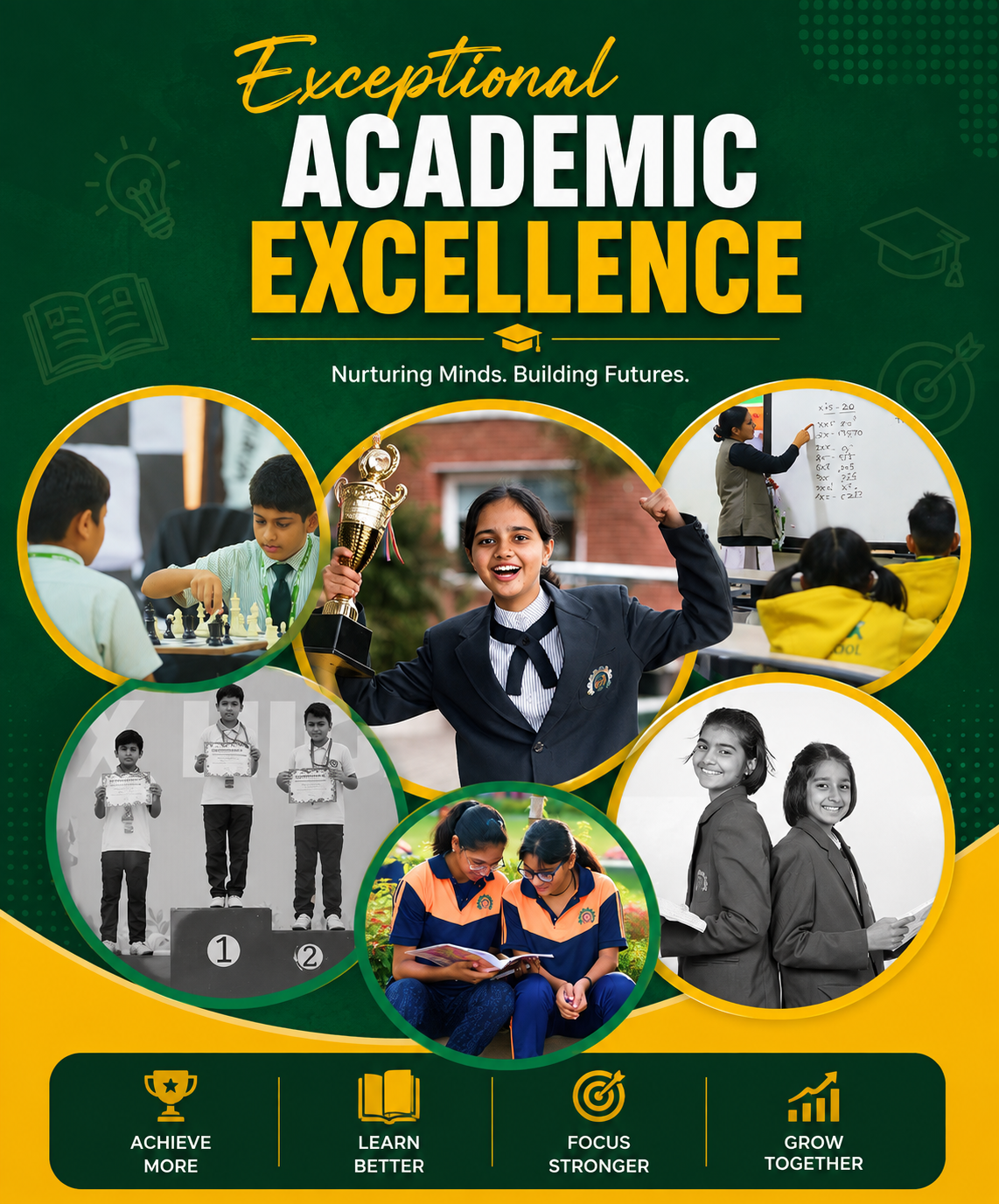



Consistent results with toppers across streams every session.
.png)
Board Exam Results
Consistent results with toppers across streams every session.
-2.png)
Sports Achievements
462+ medals across 25+ sports with national-level training.

Olympiads & Competitions
STSE , IOQM , RMO , NSEJS , Other Private and Govt Olympiad qualifiers mentored in-house.
.png)
Extra Activities
Music, Dance, Theatre, and Clubs woven into the academic week.
Transforming Education and Shaping Futures.
Matrix High School is led by lITians, IIM graduates and education experts who are passionate about transforming education and shaping futures.

 IIT Kharagpur
Mr. Anil Gora
(B.Tech - IIT Kharagpur)
I will not stop before I see 1000+ students getting admissions in IITs from Sikar.” — This is what AG Sir had to say when asked about his consistent motivation for hard work, dedication and sincerity.
Nothing less than an experienced Master of Mathematics, Mr. Anil Gora (AG Sir) is known and respected amongst the student as well as faculty fraternities for his Mathematical prowess. He regularly inspires students to overcome their mental blocks towards Mathematics and simplifies the subject to an extent that it often becomes the student's favourite subject.
Teaching is his passion and he has more than 15 years of experience training and teaching students for excelling at Mathematics in JEE Advanced. Over the years, more than 6000 of his students have secured admissions at top IITs and NITs. Before cofounding MATRIX in 2014, he was a senior Mathematics faculty at Kota for 5 years.
AG sir comes with remarkable academic background. He is a B.Tech from IIT Kharagpur. He has proved his brilliance through securing top-100 ranks at all India level multiple times. He has secured 99.9%ile twice at all India level in Common Admission Test (CAT).
At MATRIX, AG Sir ensures that each and every student has best-in class experience while learning Mathematics for JEE.

 IIT Kharagpur
Mr. Narendra Kok
(B.Tech - IIT Kharagpur)
Narendra Kok (NK Sir) has over 15 years of teaching experience exclusively for JEE Main and Advanced. With a strong passion towards teaching in his heart, he started his career right after graduation in Kota and later moved to Sikar and cofounded MATRIX in 2014.
Over the course of last 15 years, he has developed a deep expertise in Chemistry from IIT-JEE point of view. Most students know him as a teacher who actively discourages rote learning and focuses on fundamental understanding of basic concepts.
As a result, he is extremely popular among students who want to develop a solid understanding of subject rather than just aiming to pass the exams by rote learning/short-tricks. During last four years, NK Sir has stood as a pillar of Chemistry not only in MATRIX but in the larger educational hub Sikar, and has helped 1000s of students improve and hone their skills in Chemistry.
NK Sir has made it a mission to ensure that MATRIX students have best possible experience while learning Chemistry.

.png) IIT Kanpur
IIT KanpurMr. Anupam Agrawal
(B.Tech - IIT Kanpur)
A B.Tech in Mechanical Engineering from IIT Kanpur, Anupam Agrawal (AA Sir) is a force to reckon with in IIT JEE Physics. After graduating from IIT Kanpur, he briefly worked as a data scientist with Mu Sigma in Data Analytics field in Bangalore. But soon realised that his real passion lies in teaching. AA Sir taught extensively at Kota for IIT JEE before coming to Sikar permanently when MATRIX was started in 2014.
AA Sir has been guiding students to excel in IIT JEE Physics in Sikar during last 10 years and has already left an indelible mark in the larger Physics community in Sikar. He has been widely regarded by students as an exceptional teacher with a very strong focus on concept building approach for excellence in JEE Physics.
At MATRIX, AA Sir is spearheading the efforts to impart quality Physics education to each student.

.png) IIT KGP · IIM A
IIT KGP · IIM A Mr. KS Dhaka
(B.Tech IIT KGP · MBA IIM Ahmedabad)
One of the best mentors to help students realize their potential in competitive exams.
Kapil Singh Dhaka (KSD Sir) joined MATRIX as a full-time member to help our students in their journey for top ranks in JEE in 2017. Before joining MATRIX, he has worked with top-tier strategy consulting firms such as BCG and Mastercard for more than 5 years across more than 10 countries.
KSD Sir, himself was a remarkable student at some point of time. Below is a list of some of his key achievements:
IIT JEE 2004 – AIR 19 (Gen. Category)
AIEEE 2004 – AIR 48 (Gen. Category)
CAT 2009 – 99.96%tile (Overall)
IIM Ahmedabad – Rank - 1 in MBA core curriculum programme
CFA charter holder, CFA Institute, USA
He is a passionate mentor with extensive experience of helping students reach IITs, Olympiads, NEET with top ranks along with stellar performance in board exams. We hope that entire MATRIX community would benefit from his academic expertise with a global outlook.

.png) SIST University
SIST UniversityMr. Rajendra Burdak
(B.Tech - SIST University)
One of the cofounders at MATRIX, Rajendra Burdak has over 16 years of teaching experience for IIT-JEE. Rajendra Sir is one of the most senior faculties at MATRIX across all subjects and is greatly respected for his maturity by teachers and students alike.
Before co-founding MATRIX he taught Mathematics for IIT-JEE & AIEEE at some of the well-known institutes in the country. He is very warmly received among students due to his simple approach to complex problems. He has made it a mission to ensure that no deserving student is left behind because of lack of right guidance & education.
Real Students, Real Journeys, Real Success
Meet our achievers who turned their dreams into reality with the right guidance, opportunities and support at Matrix High School.

The CBSE Class 10 Board Results 2025–26 at Matrix High School reflect another year of exceptional academic achievement. With the highest score of 98.20% and hundreds of students securing outstanding marks, the results showcase the school's commitment to academic excellence, personalized mentoring, and holistic student development.

Every success story begins with a dream, and Amit Yogi's journey proves that determination can overcome any challenge. Rising from a small village to the national stage, he shares how Matrix High School helped him balance academics with sports, enabling him to pursue excellence in both fields.

Apna Sikar is an innovative student-led initiative by Matrix High School. Designed and developed by Matrix students with the school's continuous mentorship and support, the platform serves as a complete digital guide to Sikar, highlighting its culture, tourism, education, emergency services, sports, and much more.

Success is built through disciplined preparation and unwavering consistency. With an outstanding 97.60% in the CBSE Class 10 Board Examination, Matrix High School topper Yogyata reflects on her exam journey, effective study methods, and the importance of trusting teachers and following a structured preparation plan.

Achieving top scores requires more than intelligence—it demands discipline, self-evaluation, and consistent improvement. Matrix High School topper Ayush, who scored 98.20% in the CBSE Class 10 Board Examination, explains how regular revision, self-analysis, and confidence in his teachers played a vital role in his success, while also sharing valuable exam tips for future aspirants

Behind every successful student is a journey shaped by dedication, guidance, and family support. After scoring 98.20% in the CBSE Class 10 Board Examination, Matrix High School topper Muskan discusses her transition towards JEE preparation, while her mother shares the importance of maintaining balance, motivation, and a supportive home environment throughout the academic journey.
Why Students Trust Matrix High School
Real stories from our Students community who have experienced the Matrix difference.
Matrix High School truly stands out because of its unmatched facilities, dedicated faculty, and student-focused environment. In every student’s journey, teachers play the most important role, and Matrix understands this deeply. With the right guidance and continuous support.

Nikita
• AIR 281 – NEET (UG) 2025 • AIIMS Jodhpur • STSE Rank 9 (2021–22) • 93.33% in Class 10
The school provides unmatched facilities and faculty that make it unique. Teachers play a significant role in every student's journey. Matrix understands the need for quality education and provides the best possible resources to its students. These features truly make Matrix High School 'A School of New Era.'

Mayank Soni
• AIR 26 – JEE (Advanced) 2023 • JEE (Main) 2023 – 100 Percentile • Currently pursuing B.Tech (Computer Science), IIT Bombay
I sincerely thank the Matrix team and all my teachers for their continuous guidance and support. Regular tests, structured revision, and consistent practice helped me stay focused and improve step by step. Matrix provided the right environment for discipline, confidence, and success.

Gungun Beniwal
• Class 12 Arts/Humanities • 98.20% in Class 12 Boards • MHS Topper (Session 2024–25)
I thank the Matrix team for providing excellent study material and guidance for CUET preparation. Practice papers, English lectures, and board-oriented preparation made it easier for me to crack CUET successfully.

Harshita Poonia
• CUET 2023 – 100 Percentile • CLAT 2023 – AIR 325 (OBC) • Currently pursuing B.A., Hindu College, Delhi University
The strong academic foundation, disciplined learning environment, regular assessments, structured revision, weekly tests, and continuous practice helped me improve consistently. My teachers' mentorship and interactive teaching methods played a major role in my success. Thank you, Matrix, for shaping my academic journey.

Krishna Jangid
• 2023–24 Batch • Class XII Humanities/Arts • 100/100 in Psychology (Boards) • 89.8% in Class XII Boards • CUET Cleared • Selected at TISS
Our leadership team works together to create a nurturing environment where every student can excel academically, personally and professionally.
View all TestimonialsWorld-Class Infrastructure for Holistic Growth
A safe, modern and inspiring environment that nurtures learning, creativity, sportsmanship and confidence.
.png)

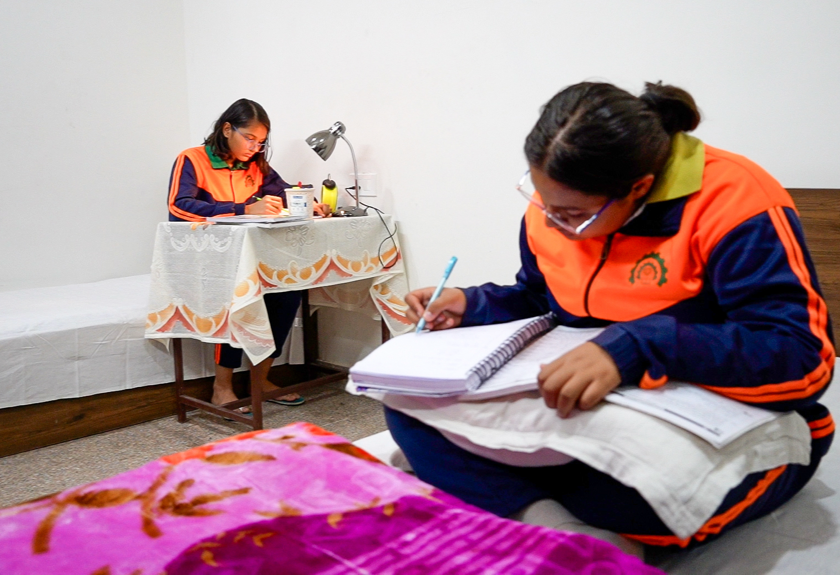

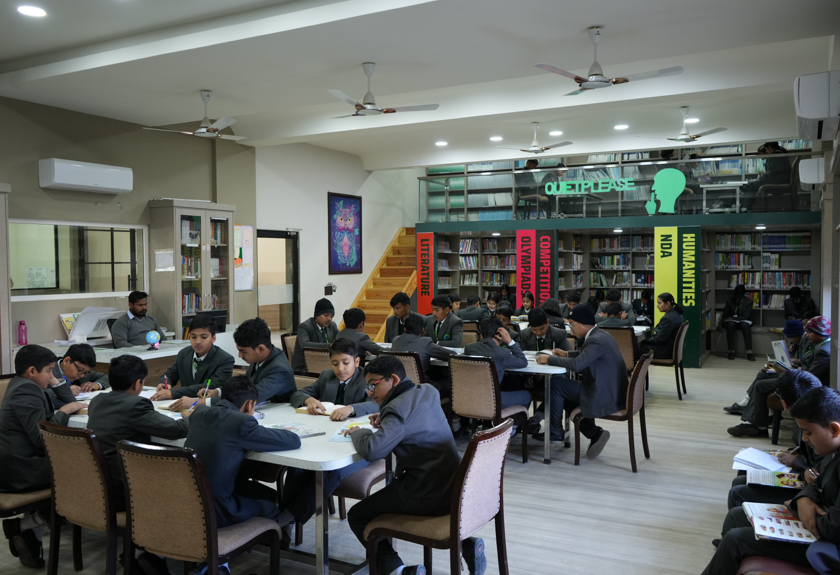


Academic block
Smart classrooms, digital learning spaces and modern teaching facilities designed for the future.
View Gallery.png)
-1.png)
.png)
.png)

-5.png)
Take a virtual tour and experience the MHS difference.
Excellence in Every Aspect of Education
Discover what makes Matrix High School, Sikar a preferred choice for thousands of students and parents.
Matrix High School (MHS) has earned the trust of parents and students through its strong academic performance with 100% overall exam pass rate and multiple district toppers every year. Students are prepared not only for board examinations but also for RMO, STSE, Olympiads, KVPY, BITSAT, and other competitive exams. This helps MHS hold its position as a leading school in Sikar.
Parenting Series
Parenting Tips from the Principal

She Won’t Say It, But She Needs You | Daughters' Special
The teenage years bring many emotional and physical changes in a daughter's life. During this phase, parents play an important role by offering support, understanding, and a safe space where she feels comfortable expressing her thoughts and emotions. A strong parent-child relationship helps teenage girls grow into confident, kind, and emotionally balanced individuals. Teenage daughters often experience changes because of hormonal development, school responsibilities, body changes, and friendships. Among these, friendships become especially important, and parents should respect their value instead of judging or criticising them. Understanding these emotions helps build trust and keeps communication open. There may be days when your daughter feels upset, quiet, or emotionally overwhelmed. Instead of reacting immediately, give her the time and space to calm down. Listen patiently without making quick judgments or taking emotional words personally. Staying calm during difficult moments helps children feel safe and understood. One of the most valuable parenting habits is to listen before offering advice. Allow your child to share her feelings completely, and ask whether she wants your suggestions or simply needs someone to listen. When parents respect their child's feelings, they create a stronger bond based on trust and mutual understanding. As daughters grow, they still need affection, encouragement, and emotional support. Small gestures of love, kind words, and quality time together remind them that they are valued and accepted. Teaching them to be kind to themselves, manage their emotions, and face challenges with confidence prepares them for a happy and balanced future. Strong parenting is not about solving every problem. It is about standing beside your child, giving them love, time, and confidence to face life with resilience and self-belief.
Read More......→
Parenting Made Simple: 7 Rules That Raise Happy, Confident Kids
Every parent wants to raise a child who is kind, confident, and happy. These qualities are not built overnight but through small lessons and everyday experiences at home. By teaching simple values from an early age, parents can help children develop strong character and life skills that stay with them forever. The first lesson is kindness. Encourage children to be kind to themselves, to others, and to the world around them. The best way to teach kindness is by practising it every day, as children learn more from what they see than from what they are told. Children should also understand that making mistakes is a natural part of learning. When parents create a safe environment where mistakes are accepted, children become more confident to try new things, learn from their experiences, and keep improving. This also helps them become honest, as they feel comfortable sharing the truth without the fear of punishment. Taking care of the mind is just as important as taking care of the body. Along with healthy habits, parents can encourage simple practices like deep breathing, positive thinking, and emotional awareness. These habits help children stay calm, focused, and emotionally balanced. Gratitude is another important value that can be developed through daily practice. Saying "thank you" for the small blessings in life teaches children to appreciate people, relationships, and everyday moments. At the same time, they should learn to treat others with respect, kindness, and empathy, just as they would like to be treated themselves. Finally, children should learn to never give up. Life brings both success and challenges, and every experience becomes an opportunity to grow. When parents encourage perseverance and show a positive attitude during difficult times, children develop confidence, resilience, and the courage to keep moving forward. By following these simple parenting principles, families can create a positive environment where children grow into kind, responsible, and emotionally strong individuals who are ready to face life's challenges with confidence.
Read More......→
Making School Transitions Easier for Kids
A new school or a new class brings both excitement and uncertainty for children. They step into a new environment with new teachers, new classmates, and unfamiliar routines. During this time, parents play an important role in making the transition smooth by offering reassurance, patience, and emotional support. Every child takes a different amount of time to adjust to change. Some children make friends quickly, while others need more time to feel comfortable. Instead of expecting everything to happen immediately, parents should allow children to settle at their own pace. Avoid putting pressure on them about friendships, homework, classwork, or daily routines during the initial days. Small gestures can make a big difference. A cheerful goodbye before school, a simple note in the lunchbox, or encouraging words like "Have a great day" can help children feel loved and supported. After school, spend a few uninterrupted minutes listening to their experiences and asking about their day. This helps children feel valued and gives them the confidence to share their feelings openly. Parents should also avoid comparing their child with siblings, cousins, or classmates. Every child develops social skills, confidence, and learning habits differently. Giving children the time and freedom to adjust naturally helps them build confidence without unnecessary pressure. Some children may say they did not enjoy school, missed home, or found it difficult to make friends. Instead of dismissing these feelings, acknowledge them with patience and understanding. When children know their emotions are accepted, they feel safe, supported, and more willing to face new challenges. The journey into a new school is not about getting everything right from the first day. It is about learning, adapting, and growing with confidence. By becoming their biggest supporters, parents can help children enjoy this new chapter and build a positive attitude towards learning and school life.
Read More......→
Are You Raising an Obedient Child or a Respectful One?
Many parents believe that an obedient child is also a respectful child. However, obedience and respect are not the same. Obedience is about following instructions, while respect grows when children feel heard, valued, and understood. Giving children a chance to express their thoughts helps build trust and strengthens the parent-child relationship. When children are expected to follow every instruction without expressing their opinions, they may slowly stop sharing their feelings. Over time, they may become quiet, hesitant, or afraid to speak openly. Parents can avoid this by creating a safe environment where children know their ideas and emotions matter, even if every suggestion cannot be accepted. Many parents encourage obedience because it is how they were raised, or because they worry about losing control. Sometimes, social expectations also make parents feel that children should never question adults. In reality, listening to a child's opinion does not reduce a parent's authority. It builds mutual trust and encourages meaningful communication. To raise respectful children, encourage healthy discussions and allow them to share their views calmly. Teach them that disagreement is natural, but it should always be expressed with respect and kindness. At the same time, parents should guide children on how to communicate politely, even when opinions are different. Respect begins at home. When parents respect their child's thoughts, feelings, and emotions, children learn to treat others in the same way. A home built on trust, communication, and mutual respect helps children grow into confident, responsible, and emotionally mature individuals.
Read More......→
Help Your Child Overcome Social Anxiety
Many children feel nervous or uncomfortable in social situations. They may hesitate to answer questions in class, avoid starting conversations, or feel anxious while meeting new people. With the right support from parents and teachers, children can gradually become more confident and comfortable in different social environments. One of the key reasons behind social anxiety is the lack of social skills and everyday interaction. Children may find it difficult to understand social cues such as maintaining eye contact, speaking with the right tone, waiting for their turn, listening to others, or understanding emotions during conversations. These are important life skills that develop with guidance and regular practice. Parents can help children build these skills through simple daily conversations and real-life examples. Discussing the characters, emotions, and situations shown in movies or stories helps children understand how people communicate and respond in different situations. These discussions improve emotional awareness and teach children how to interact with confidence. It is also helpful to teach children simple conversation starters, such as asking to join a game or introducing themselves politely. Practising these small sentences at home prepares them to handle social situations with greater confidence. Encouraging children to step out of their comfort zone, while supporting them with patience, helps them develop stronger communication skills over time. Building social confidence is a gradual process. When schools and parents work together to develop communication, emotional understanding, and social skills, children become more confident, participate actively, build meaningful friendships, and enjoy learning and everyday life with greater confidence.
Read More......→
How to be a Good Mother I 8 Tips for Self-Care
Motherhood is a journey filled with love, care, responsibility, and countless sacrifices. Every day, mothers support their children through both happy and challenging moments. There is no perfect way to be a mother, but the love, time, and guidance you give your child make a lasting difference. Your care and presence are more valuable than perfection. Many mothers often feel guilty when they take time for themselves. Whether it is meeting a friend, enjoying a cup of tea, watching a movie, or simply taking a short break, self-care is not selfish. Taking time to recharge helps mothers feel happier, healthier, and more present for their children. Loving yourself is just as important as loving your family. Treat yourself with the same kindness, patience, and care that you give your children every day. Do not hesitate to ask for help when you need it. Accepting support from family or friends allows you to manage responsibilities with greater balance and confidence. Celebrate the small moments of motherhood. Every smile from your child, every lesson you teach, and every little achievement is worth appreciating. At the same time, avoid comparing yourself with other mothers. Every family is different, and every parenting journey is unique. Focus on your own relationship with your child instead of measuring yourself against others. Children should also learn to appreciate the love and effort their mothers put into everyday life. Teaching simple values like gratitude and saying "thank you" helps children recognise and respect the care they receive at home. These small habits strengthen family relationships and create a more positive home environment. Most importantly, remember that you are enough. Motherhood is not measured by perfection but by the love, support, and care you give every day. Believe in yourself, enjoy the journey, and know that your presence is one of the greatest gifts your child will ever receive.
Read More......→
5 Resolutions for a Happier, Smarter Child!
Every parent wants the best for their child. However, helping children grow does not always mean doing more for them. Sometimes, giving them a little more freedom and responsibility helps them develop important life skills. A balanced parenting approach encourages children to become confident, creative, and independent. The first step is to protect children a little less and allow them to explore the world around them. Small challenges and everyday experiences teach children how to solve problems, make decisions, and become more confident. Parents should guide them while giving them the space to learn from real-life situations. Children also benefit when they have time to think and create on their own. Instead of planning every activity or keeping them entertained all the time, give them opportunities to explore their interests and use their imagination. Unstructured time often leads to creativity, innovation, and independent thinking. Another important habit is avoiding an overloaded schedule. Children need time to rest, play, spend time with family, and even experience boredom. These quiet moments help refresh their minds, improve emotional well-being, and support healthy growth. Parents should also avoid solving every problem for their children. Allowing them to make mistakes, face small challenges, and find their own solutions teaches resilience, responsibility, and problem-solving skills. These experiences prepare children to handle bigger challenges with confidence as they grow. Finally, focus on giving children what they truly need instead of everything they want. A simpler environment with fewer unnecessary possessions helps reduce distractions and encourages children to value experiences, relationships, and responsibilities. By following these simple parenting resolutions, families can create an environment where children grow into confident, responsible, and emotionally strong individuals.
Read More......→
Teaching Kids to Be Respectful & Handle Disrespect Positively
Respect is one of the most important values children learn at home. When children behave disrespectfully, it is easy to focus only on correcting their behaviour. However, lasting change happens when parents first understand the reason behind their actions and build a stronger emotional connection. The first step is to stay calm. If a child is upset or angry, reacting with anger usually makes the situation worse. Instead, parents should remain patient, acknowledge the child's emotions, and create a safe space for conversation. When children feel heard, they become more willing to listen. Before correcting a child, help them understand that their feelings are valid, even if their behaviour is not. Encourage open communication and remind them of their strengths, kindness, and good qualities. This helps children separate their behaviour from their identity and understand that they are valued, even when they make mistakes. Setting clear boundaries is equally important. Parents should explain that disrespectful behaviour is not acceptable, but this message should always be delivered with love and respect. Children learn how to treat others by watching the way adults communicate with them. When parents model respectful behaviour, children are more likely to respond in the same way. A strong relationship always comes before correction. Children are more open to guidance when they feel connected, respected, and emotionally secure. By listening first, showing empathy, and then offering guidance, parents can build trust while teaching responsibility and respectful behaviour. Positive parenting is not about controlling children. It is about creating a relationship where love, respect, and understanding help children grow into confident, responsible, and compassionate individuals.
Read More......→
Help Your Child Manage Exam Stress & Anxiety
Examinations often bring stress and anxiety for both children and parents. While every parent wants their child to perform well, too much pressure can make children feel overwhelmed. During exam time, children need encouragement, emotional support, and a calm environment more than constant reminders to study. Children often reflect the emotions of their parents. When parents stay calm and positive, children feel more confident and focused. Instead of repeatedly asking them to study, trust their preparation, offer guidance when needed, and encourage them to manage their time responsibly. Long study hours do not always lead to better learning. Studying in short, focused sessions with regular breaks helps children stay fresh, improve concentration, and understand concepts more effectively. Giving the mind time to rest is an important part of successful learning. A healthy sleep routine is equally important during exams. Adequate sleep helps improve memory, concentration, and overall performance. Encouraging children to get enough rest every night is far more beneficial than studying late into the night. Parents can also teach simple relaxation techniques such as deep breathing to help children manage anxiety. Practising these techniques together creates a calm atmosphere and helps children feel more relaxed before or during exams. Most importantly, appreciate your child's efforts instead of focusing only on marks or percentages. Recognising hard work, consistency, and improvement motivates children to keep learning without the fear of failure. When the focus shifts from results to effort, exam season becomes an opportunity for growth, confidence, and lifelong learning.
Read More......→
Positive Progressive Parenting
In today's digital world, children spend more time on screens than in nature. However, spending time outdoors plays an important role in their overall growth. Nature encourages curiosity, creativity, emotional balance, and a deeper understanding of the world around them. By making nature a part of everyday life, parents can help children learn through real experiences. One simple way to connect children with nature is through outdoor play and exploration. Activities such as nature walks, bird watching, collecting leaves, or observing plants encourage children to explore, ask questions, and discover new things. These experiences also inspire creativity through simple nature-based art and hands-on learning. Gardening is another meaningful family activity. Even a small plant in a balcony or terrace can teach children valuable lessons about patience, responsibility, and the life cycle of plants. Watching a seed grow into a healthy plant helps children develop a stronger connection with nature while understanding how living things grow and thrive. Parents can also nurture an eco-friendly mindset by teaching simple habits at home. Encouraging children to reduce waste, reuse materials, save electricity, and limit the use of plastic helps them understand the importance of protecting the environment. Small everyday actions create responsible habits that stay with children for life. When children regularly experience nature, they develop greater respect for the environment and become more aware of their role in protecting it. By introducing these simple activities at home, parents can inspire children to become curious learners, responsible citizens, and caring individuals who value the world around them.
Read More......→
The Secret to Your Child's Growth: Play and Sports!
Play is an important part of childhood and contributes to a child's overall development. While academics are important, regular participation in sports and games helps children develop physically, emotionally, and socially. Every stage of childhood benefits from active play, making it an essential part of healthy growth. For young children, activities like running, jumping, climbing, and simple outdoor games help strengthen muscles, improve coordination, and develop problem-solving skills. Outdoor play also encourages curiosity, creativity, and confidence as children explore and learn through experience. As children grow, team sports become an excellent way to build leadership, teamwork, communication, and cooperation. Playing games with others teaches children how to work together, respect rules, support teammates, and handle both success and failure with a positive attitude. These are valuable life skills that extend far beyond the playground. Sports also help children develop important habits such as time management and emotional control. Balancing academics with regular physical activity teaches them how to manage responsibilities while staying active and healthy. Learning to win with humility and accept setbacks positively builds resilience and confidence. For teenagers, sports become even more important. School life often brings academic pressure, board examinations, peer influence, and stress. Spending even 30 to 60 minutes each day playing a sport or an outdoor game helps reduce stress, refresh the mind, improve focus, and maintain emotional well-being. This balance supports both academic performance and overall health. Encouraging children to participate in sports throughout their school years helps them develop confidence, discipline, and a healthy lifestyle. Whether they play for fun or compete professionally, regular physical activity prepares them for success both inside and outside the classroom.
Read More......→
How to Overcome Peer Pressure and Build Confidence
As children grow, they naturally want to be accepted, appreciated, and included by their friends. This desire can sometimes lead to peer pressure, where children begin to compare their looks, clothes, belongings, or behaviour with others. During this stage, parents can help children build confidence by reminding them that their true value comes from their character, talents, and actions—not from their appearance or possessions. Every child has unique strengths and qualities. Whether it is kindness, honesty, creativity, academics, sports, or any other talent, parents should recognise these qualities and encourage children to focus on them. When children value their own abilities, they become less influenced by comparisons and social pressure. Children also learn from what they see at home. The way parents speak about themselves, their appearance, or others has a lasting impact. Using positive language, practising gratitude, and sharing inspiring stories of people who achieved success through hard work and values helps children develop a healthy and confident mindset. It is equally important to teach children how to respond to peer pressure with confidence and respect. They should know that it is okay to politely disagree, say "no," or stand by their choices without hurting others. These communication skills help children build self-respect while maintaining healthy relationships. Parents should also encourage children to build friendships with people who support, motivate, and respect them. A positive circle of friends helps children make better decisions and reduces the influence of unhealthy comparisons. When children are surrounded by encouraging relationships, they are more likely to develop confidence and emotional strength. The strongest protection against peer pressure is a child's belief in themselves. When parents celebrate their child's individuality, appreciate their efforts, and remind them that they are valued just as they are, children grow into confident, responsible, and emotionally resilient individuals who are ready to face life's challenges with self-belief.
Read More......→
Friendship Breakups : 3 Parenting Tips to Support Your Child
Friendships are an important part of a child's life. When children feel left out, ignored, or rejected by their friends, the emotional impact can be much greater than adults often realise. During these moments, children need understanding and support instead of quick solutions or dismissive responses. The first step is to acknowledge your child's feelings. When they share that they are hurt by a friendship, listen patiently and let them know that it is okay to feel sad or disappointed. Feeling understood gives children the confidence to express their emotions openly instead of keeping them inside. Parents can also help children understand that every friendship goes through ups and downs. Just like any relationship, friendships may face disagreements, misunderstandings, or temporary distance. Explaining that these experiences are a normal part of life helps children feel less alone and more hopeful. Teaching healthy ways to manage emotions is equally important. Encourage children to talk about their feelings, write in a journal, draw, or practise simple relaxation techniques such as deep breathing. These healthy coping habits help children process difficult emotions in a positive way. As children begin to recover, talk to them about what they learned from the experience. Help them see that friendship challenges are not failures but opportunities to grow, become emotionally stronger, and build resilience. Every experience teaches valuable life skills that prepare them for future relationships. When parents remain supportive and approachable, children feel safe sharing their emotions without fear of being judged. This trust strengthens the parent-child relationship and helps children develop the confidence to handle friendship challenges and other emotional situations with greater maturity and resilience.
Read More......→
Can Better Social Skills Really Change Your Child's Life?
Social skills are essential for a child's overall development. The ability to communicate, connect, and collaborate with others helps children build meaningful relationships and prepares them for future success. These skills are valuable not only in school but also in higher education, the workplace, and everyday life. Children with strong social skills find it easier to make friends, express their thoughts, work in teams, and build healthy relationships. On the other hand, limited social interaction can make communication, teamwork, and confidence more challenging. Developing these skills early helps children become more comfortable in different social situations. In the past, children naturally developed social skills by spending time with grandparents, relatives, neighbours, and community members. Today, with smaller families and busy lifestyles, parents need to create these opportunities intentionally. Encouraging children to interact with extended family, participate in community activities, and spend time with friends helps strengthen their communication and relationship-building skills. Parents also teach social behaviour through their own actions. Children learn empathy, respect, and conflict resolution by observing how adults communicate and solve problems. Involving children in group activities, team sports, clubs, and collaborative learning experiences helps them develop cooperation, leadership, and teamwork. Reducing screen time and increasing face-to-face interactions also plays an important role. Family conversations, board games, group discussions, and shared activities encourage children to communicate openly, listen to others, and build stronger interpersonal skills. Strong social skills benefit children throughout their lives. They help build healthy friendships, improve emotional well-being, strengthen family relationships, and prepare children for successful careers where collaboration and communication are essential. By creating opportunities for meaningful social experiences, parents can help children grow into confident, responsible, and socially capable individuals.
Read More......→
Is Your Child a Bully or a Victim?
Bullying is repeated behaviour that intentionally hurts, intimidates, or excludes another person. It can happen through words, physical actions, or online interactions. Whether a child is experiencing bullying or showing bullying behaviour, early support from parents is essential to help them develop healthy relationships and emotional well-being. Parents should stay aware of changes in their child's behaviour. A child who is being bullied may avoid school, withdraw from friends and family, lose interest in daily activities, or become unusually quiet. On the other hand, a child who frequently shows aggression, uses hurtful language, or tries to control others may also need guidance to prevent bullying behaviour. Creating open communication at home is one of the best ways to support children. Instead of asking only direct questions, encourage regular conversations about their day, friendships, and feelings. Listening without judgement helps children feel safe to share difficult experiences. Avoid dismissing their emotions, as understanding and reassurance build trust. Children should also be taught to speak up when something feels wrong. Encourage them to say "no" with confidence, seek help from a trusted adult, and share any uncomfortable experiences at home or school. Building self-confidence helps children respond positively to difficult situations and reduces the impact of bullying. Parents also influence children's behaviour through their own actions. Children learn by observing how adults communicate and handle disagreements. Respectful communication, kindness, patience, and empathy at home teach children how to treat others with dignity. Avoiding shouting, sarcasm, or harsh criticism helps create a positive environment where respectful behaviour becomes natural. It is equally important to understand the emotions behind a child's behaviour. Unresolved anger, anxiety, frustration, or sadness can sometimes lead to aggressive actions. By providing a safe space to talk, helping children express their feelings, and guiding them with empathy, parents can prevent harmful behaviour before it grows. When children are raised with kindness, confidence, and emotional support, they are more likely to build healthy friendships, respect others, and contribute to a caring and positive community.
Read More......→
Stop Punishing Your Child
Every child makes mistakes while learning and growing. Instead of viewing mistakes as something that deserves punishment, parents can see them as opportunities to teach important life lessons. While punishment may bring immediate obedience, it often does not help children understand why their behaviour was wrong or how they can improve. A more effective approach is positive reinforcement. Rather than focusing only on mistakes, appreciate the good behaviour your child already shows. Encouraging positive actions motivates children to repeat them and makes them more willing to correct their behaviour without fear. Instead of using punishment or isolation, spend time talking with your child about what happened. Listening to their thoughts, understanding the reason behind their actions, and discussing better choices creates a stronger learning experience. Children learn best when they feel supported rather than judged. Parents can also allow children to experience safe and natural consequences whenever appropriate. Real-life experiences often teach valuable lessons that repeated warnings or punishments cannot. When children understand the outcome of their actions, they are more likely to make responsible decisions in the future. Problem-solving should become a regular part of parenting. Whenever a mistake happens, involve your child in finding a solution instead of focusing only on the problem. This helps children develop critical thinking, responsibility, and confidence while strengthening the parent-child relationship. Positive parenting is about guiding children with patience, understanding, and meaningful conversations. By replacing punishment with encouragement, discussion, and learning, parents create a supportive environment where children feel safe to grow, accept responsibility, and build positive behaviour that lasts a lifetime.
Read More......→
The Power of an Apology
Every parent makes mistakes, and that is a natural part of parenting. What truly matters is how those mistakes are handled. A sincere apology can turn a difficult moment into an opportunity for learning, healing, and building a stronger relationship with your child. Many parents believe they should always appear right in front of their children. However, when children see parents accepting their mistakes and saying "sorry," they learn that making mistakes is normal and taking responsibility is equally important. This simple act teaches honesty, accountability, and emotional maturity. A meaningful apology is more than just saying the word "sorry." It shows that you understand your mistake, care about your child's feelings, and are willing to improve. Children feel respected and valued when parents acknowledge that their words or actions may have hurt them. When parents apologise with sincerity, they also teach children important life values. Children learn to take responsibility for their own actions, admit mistakes without fear, and understand that every problem can be solved through honesty and respectful communication. These lessons help them build stronger relationships throughout life. Apologising also strengthens trust between parents and children. A child who feels understood and respected is more likely to share their thoughts, feelings, and mistakes openly. This creates a safe and supportive environment where communication becomes easier and relationships grow stronger. Parenting is not about being perfect. It is about learning, growing, and leading by example. A heartfelt apology reminds children that love, respect, and humility are the foundation of every strong family relationship. Sometimes, one simple word—"sorry"—has the power to heal, teach, and bring families closer together.
Read More......→
Is Your Child Safe Online? A Quick Guide For Parents
The internet has become an important part of children's daily lives, making online safety more important than ever. While digital platforms offer valuable learning opportunities, they also expose children to risks such as cyberbullying, inappropriate content, and privacy concerns. Parents play a key role in helping children use technology safely and responsibly. One of the biggest challenges is that children may not always understand what information is safe to share online. Teaching them about digital privacy, responsible online behaviour, and the importance of protecting personal information helps them make safer decisions while using the internet. Parents should also talk openly about online risks such as cyberbullying, fake profiles, threats, and the misuse of photos or personal information. When children understand these risks, they are more likely to recognise unsafe situations and seek help when needed. Creating healthy digital habits at home is equally important. Using parental controls, setting reasonable screen-time limits, and establishing family rules for device use can create a safer online environment. Making these rules a family commitment, rather than applying them only to children, encourages trust and cooperation. Regular communication is one of the most effective ways to keep children safe online. Show interest in their online activities, ask about their digital experiences, and encourage them to share anything that makes them uncomfortable or worried. When children know they will be heard without fear of punishment, they are more likely to ask for help. Parents should also be aware of warning signs such as sudden changes in behaviour, withdrawal, secrecy, or emotional distress, as these may indicate that a child is facing problems online. A supportive home environment, along with trusted adults and clear guidance, helps children navigate digital challenges with confidence. By staying informed, involved, and proactive, parents can create a safe and positive online experience that supports their child's learning, well-being, and overall development.
Read More......→
Calm Your Child's Anger
Every child feels angry at times, and anger is a natural emotion. Instead of labelling children as having "anger issues," parents should understand what is causing these emotions. When children feel understood and supported, they learn healthier ways to express their feelings and solve problems. Many situations can trigger anger in children. Being compared with siblings or friends, not having opportunities to make simple decisions, or suddenly adjusting to new routines can make children feel frustrated. Respecting their individuality, involving them in age-appropriate choices, and giving them time to adapt to changes helps reduce unnecessary stress and emotional outbursts. The first step in managing anger is to identify the reason behind it. When parents understand the trigger, they can respond with empathy instead of reacting emotionally. Staying calm and starting a conversation helps children feel heard and gradually reduces the intensity of their anger. Physical movement is another effective way to manage emotions. Encouraging children to take a short walk, play, dance, or engage in any physical activity helps release built-up frustration and allows them to calm down naturally before discussing the situation. Helping children regulate their emotions benefits every part of their development. Children who manage anger well often perform better in academics, build stronger friendships, communicate more effectively, and enjoy better emotional well-being. They also develop important life skills such as problem-solving, patience, and self-control. Positive parenting is not about stopping children from feeling angry. It is about teaching them how to understand, express, and manage their emotions in a healthy and respectful way. With consistent support and guidance, children grow into emotionally balanced, confident, and socially responsible individuals.
Read More......→
Expectations Vs Reality
Every parent dreams of giving their child the best life. Before becoming parents, many imagine a perfect routine and smooth journey. But parenting also brings sleepless nights, unexpected challenges, and many learning moments. Along with these come love, laughter, and memories that make the journey special. Every child grows at their own pace. Some may learn or achieve things earlier, while others may take more time. Instead of comparing or rushing them, parents should trust their child's natural growth and provide constant encouragement. Every child has different interests and strengths, and they perform best when they are supported, not pressured. Parents also want children to follow family values while adapting to the modern world. Helping children maintain this balance is an important part of parenting. With the right guidance, children can learn to respect traditions while using technology and new opportunities wisely. There is no such thing as perfect parenting. Every parent makes mistakes, faces challenges, and learns along the way. What truly matters is being present, staying patient, and creating meaningful moments with your child. Everyday experiences, whether it is sharing a meal, reading a bedtime story, or spending time together, leave lasting memories. The key to positive parenting is to choose love over perfection. Celebrate small achievements, stay flexible when situations change, and keep realistic expectations. When parents become their child's biggest supporters, children grow into confident, independent, and emotionally strong individuals.
Read More......→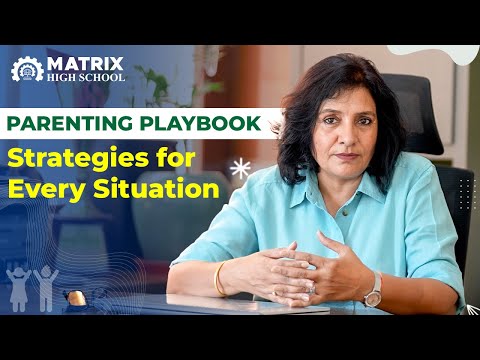
Strategies for Every Situation
Every child grows through the small experiences they have every day. The way parents guide, support, and respond to their children plays an important role in their growth and development. Positive parenting focuses on making these everyday moments meaningful with love, care, responsibility, and thoughtful guidance. Children experience different emotions as they grow. Parents can help them understand these emotions by listening with patience and responding in a positive way. Simple parenting practices and small daily habits can help children become confident, independent, caring, and emotionally strong. Positive parenting is also a learning journey for parents. It helps them understand their own emotions while building a stronger relationship with their children. By learning together and creating a positive environment at home, parenting becomes a joyful experience for the whole family.
Read More......→Latest News and Announcements
.jpeg)
STSE 2026 Notification | Registration Form Process | Exam Date & Important Updates
15 Sep 2026
Registration Period:, Online school login registration will open on September 15, 2026.Fee Payment (Without Late Fee):, Will remain open until September 24, 202... Read More
Read More......→.jpeg)
IAPT National Standard Examinations (NSE 2026–27) Registration & Exam Schedule Announcement
21 Aug 2026
Status & Enrollment:, Student enrollment will take place from August 21, 2026, through September 16, 2026.Exam Schedule:NSEA (Astronomy):, Will be held on Novem... Read More
Read More......→.jpeg)
.jpeg)
IOQM 2026–27 Examination Details & RMO Qualification Roadmap
25 Jul 2026
Registration Status:, Online student registration will close on July 25, 2026.Exam Date:, Will be conducted nationwide on September 6, 2026.Next Stage:, Shortli... Read More
Read More......→.jpeg)
CBSE Board Exam Results Declaration (Class 10 & 12)
13 May 2026
Status:, Results for the 2025–26 academic session will be officially published online.Access:, Digital marksheets, passing certificates, and migration documents... Read More
Read More......→.jpeg)
Matrix Olympiad Foundation (MOF) 2026 Registration & Exam Schedule
28 Jun 2026
Registration Notice:, Registration for the Matrix Olympiad (MOF) scholarship examination will open for students across various grades, with applications closing... Read More
Read More......→Frequently Asked Questions
Still have questions? Contact our team and we will get back to you within a working day.
Admissions are open for Day Scholars from Class Nursery to 11 and Hostel students from Class 6 to 11. To secure admission, prospective students must qualify through the MHS-SAT (an admission-cum-scholarship test).