
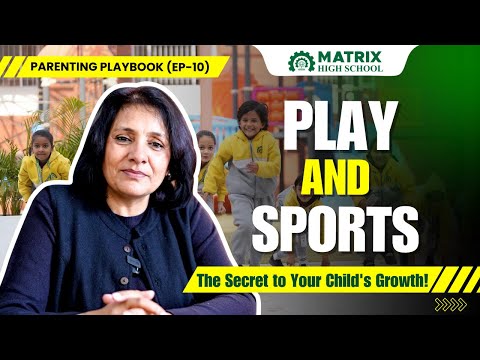
The Secret to Your Child's Growth: Play and Sports!
Play is an important part of childhood and contributes to a child's overall development. While academics are important, regular participation in sports and games helps children develop physically, emotionally, and socially. Every stage of childhood benefits from active play, making it an essential part of healthy growth. For young children, activities like running, jumping, climbing, and simple outdoor games help strengthen muscles, improve coordination, and develop problem-solving skills. Outdoor play also encourages curiosity, creativity, and confidence as children explore and learn through experience. As children grow, team sports become an excellent way to build leadership, teamwork, communication, and cooperation. Playing games with others teaches children how to work together, respect rules, support teammates, and handle both success and failure with a positive attitude. These are valuable life skills that extend far beyond the playground. Sports also help children develop important habits such as time management and emotional control. Balancing academics with regular physical activity teaches them how to manage responsibilities while staying active and healthy. Learning to win with humility and accept setbacks positively builds resilience and confidence. For teenagers, sports become even more important. School life often brings academic pressure, board examinations, peer influence, and stress. Spending even 30 to 60 minutes each day playing a sport or an outdoor game helps reduce stress, refresh the mind, improve focus, and maintain emotional well-being. This balance supports both academic performance and overall health. Encouraging children to participate in sports throughout their school years helps them develop confidence, discipline, and a healthy lifestyle. Whether they play for fun or compete professionally, regular physical activity prepares them for success both inside and outside the classroom.